Posted on

2026年必备有道翻译下载指南:解锁多语言沟通

展示在现代工作空间中的有道翻译下载,专业翻译人员正在使用数字工具和语言资源。

了解有道翻译的特点

在当今全球化的时代,语言的障碍常常成为人们沟通的绊脚石。网易有道翻译以其强大的功能和高效的翻译质量,帮助用户跨越这一障碍。无论是商务沟通、学术研究,还是日常交流,有道翻译都能提供快速且准确的翻译服务。尤其是在如今的信息化社会,随着技术的不断进步,有道翻译通过其领先的人工智能技术,不仅提升了翻译的速度,更增强了翻译的准确性与自然性。当您准备体验这样一个高效的工具时,您可以访问有道翻译下载,轻松获取这款强大的翻译应用。

什么是有道翻译?

有道翻译是由网易公司推出的一款智能翻译软件,广泛应用于文本、文档、音频和视频等多种翻译场景。它整合了深度学习和机器翻译等前沿技术,支持超过109种语言的相互翻译,满足了用户多样化的翻译需求。不论是跨国企业进行的国际贸易,还是留学生在海外的学习交流,有道翻译都能提供精准的翻译服务,助力用户在不同语言环境中游刃有余。

有道翻译的关键特点

  • 多语种支持:有道翻译能够处理如英语、中文、法语、德语、日语等多种语言,让用户无论在何种语言环境下都能得到支持。
  • 智能语境理解:系统能够根据上下文优化翻译结果,使输出内容更符合当地文化和语言习惯。
  • 实时翻译功能:用户可以通过语音对话进行实时翻译,极大地方便了快速沟通。
  • 专业术语库:有道翻译特别提供多个专业领域的术语库,确保翻译内容的专业性和准确性。

有道如何提高翻译准确性

为了确保翻译的高准确性,有道翻译利用人工智能和机器学习算法,持续更新其翻译数据库。通过智能语境理解,软件自动识别文本中的专业术语并进行精准翻译,同时结合用户的反馈不断优化翻译结果。此外,用户还可以上传自己的专业术语,并在翻译过程中进行自定义,这样不仅满足了特定领域的需求,更能提升整体翻译的质量。

下载有道翻译的好处

轻松获取翻译工具

下载有道翻译的过程非常简便,用户只需在官方网站上找到对应平台的下载链接,即可快速完成安装。无论是在Windows还是Mac系统上,有道翻译都能轻松操作,让用户即刻享受高效的翻译服务。

支持多种语言

有道翻译支持的语言种类繁多,涵盖了常见的英语、法语、德语等多语种,能够满足全球用户的需求。这使得用户在不同语言之间的转换变得无缝顺畅,为国际交流提供了极大的便利。

增强可用性的AI驱动功能

有道翻译的AI驱动功能大幅提升了翻译的效率和准确性。其语音识别、图像翻译等智能功能,让用户在处理不同类型的文本时,能够快速获得所需的翻译内容。通过AI技术的应用,有道翻译不断提高用户体验,真正实现了“翻译无忧”的承诺。

如何下载有道翻译

逐步安装指南

下载有道翻译非常简单,用户首先需要访问官方网站。接下来,根据自己的设备选择合适的版本进行下载,按照系统提示进行安装。一旦完成安装,用户就可以开始使用这款功能强大的翻译工具,快速解决语言障碍。

有道翻译的系统要求

为了确保有道翻译的顺利运行,用户的设备需要满足一定的系统要求。通常,Windows系统需要XP及以上版本,而Mac用户需确保其操作系统版本在10.10以上。此外,确保设备具备稳定的网络连接,以便于高效下载和使用在线翻译服务。

解决常见下载问题的方法

在下载和安装有道翻译时,用户可能会遇到一些常见问题,如下载失败或安装过程中的错误。这时,建议检查网络连接是否正常,或者尝试更换下载地址。同时,确保操作系统权限设置正确,以允许软件的正常安装运行。

有道翻译的实际应用

有道在专业环境中的应用

在专业领域中,有道翻译被广泛应用于医疗、法律、金融等多个行业,助力专业人士实现高效沟通。例如,法律文件的翻译需要极高的准确性,有道翻译通过其专业术语库和深度学习技术,有效确保行业术语的正确传达。

用于教育目的的有道

在教育领域,有道翻译不仅帮助学生完成课业,也为教师提供教学资源的全球化支持。留学生可以使用有道翻译进行语言学习,提升写作和交流能力,教师则能够通过翻译工具轻松获取国际化的教学素材。

案例研究:成功实施实例

某国际贸易公司在日常运营中面临多国客户的沟通挑战。通过使用有道翻译,公司能够高效处理客户邮件及产品说明书的翻译,从而大大提升了工作效率,成功实现了与国际客户的无障碍沟通。

翻译技术的未来趋势

机器翻译中的新兴技术

未来的翻译技术将更加依赖人工智能和大数据分析。随着深度学习算法的不断进步,机器翻译的准确性和流畅性将得到显著提升,用户体验也将进一步改善。

人工智能在未来语言解决方案中的角色

人工智能将成为翻译领域的重要推动力。通过深度学习和语音识别技术,未来的翻译软件能够更好地理解用户的意图,提供更加个性化与精准的翻译服务。

2026年多语言沟通的预测

到2026年,预计全球多语言沟通将变得更加简便高效。随着翻译技术的持续创新,用户将能够在几秒钟内完成跨语言的交流,真正实现全球无缝沟通的愿景。

有道翻译支持哪些平台?

有道翻译支持多种平台,包括Windows、Mac、Android和iOS,用户可以根据自己的设备选择合适的版本进行下载,以满足不同环境下的翻译需求。

有道翻译能处理专业文件吗?

绝对可以。有道翻译不仅支持常规文本的翻译,还能够处理PDF、Word、Excel等多种专业文档格式,确保文件原有的排版和格式,实现高质量的翻译体验。

有道如何确保翻译准确性?

有道通过深度学习和机器翻译技术,结合用户反馈不断优化其翻译系统。此外,专业术语库的应用,确保了在特定领域内翻译的准确性和专业性。

有道翻译是否有相关费用?

有道翻译提供基础的免费翻译服务供用户使用,然而对于一些高级功能和大规模的文档翻译,可能需要付费订阅。用户可根据自己的需求选择合适的服务套餐。

有道翻译支持哪些语言?

有道翻译支持超过109种语言之间的翻译,包括英语、中文、法语、德语、西班牙语等,能够满足全球用户的多样化沟通需求。

Posted on

Top Innovations in Computers and Electronics Technology Today

Understanding Computer Fundamentals

In today’s digital landscape, understanding the fundamentals of computers is essential for both professionals and enthusiasts alike. Computers serve as the backbone of modern technology, enabling various functionalities across diverse industries. This section delves into the basic components, operating systems, and input/output devices that constitute a computer system.

Basic Components of a Computer System

A computer system is composed of several key components, each playing a crucial role in its overall functionality. The primary components include:

  • Central Processing Unit (CPU): Often referred to as the brain of the computer, the CPU performs calculations and executes instructions. Modern CPUs can have multiple cores, allowing them to handle several tasks simultaneously.
  • Memory (RAM): Random Access Memory (RAM) temporarily stores data that the CPU needs while performing tasks. The more RAM a computer has, the more applications it can run concurrently.
  • Storage: There are two main types of storage: Hard Disk Drives (HDD) and Solid State Drives (SSD). SSDs are faster and more reliable than HDDs, but they tend to be more expensive.
  • Motherboard: This is the main circuit board that connects all components of the computer. It allows communication between the CPU, memory, storage, and other peripheral devices.
  • Power Supply Unit (PSU): The PSU converts electricity from a wall outlet into usable power for the computer’s components.

Understanding these components helps in troubleshooting issues and making informed decisions when purchasing or upgrading a computer system.

Operating Systems: Functions and Types

The operating system (OS) is fundamental to any computer system, managing hardware resources and providing a user interface. The primary functions of an OS include:

  • Resource Management: Allocating CPU time, memory space, and I/O devices among various applications efficiently.
  • File Management: Organizing and controlling access to data stored on the computer.
  • User Interface: Providing a graphical or command-line interface for users to interact with the system.

There are several types of operating systems, including:

  • Windows: A widely used OS known for its user-friendly interface and compatibility with various applications.
  • macOS: Developed by Apple, macOS is known for its stability and seamless integration with the Apple ecosystem.
  • Linux: An open-source OS that offers flexibility and customization for advanced users and developers.
  • Mobile Operating Systems: Such as Android and iOS, designed specifically for mobile devices.

Each OS has its strengths and weaknesses, and the choice depends on user needs and preferences.

Input and Output Devices: Their Roles and Examples

Input and output devices facilitate interaction between the user and the computer system. Understanding these devices is crucial for effective computing.

  • Input Devices: These devices allow users to input data into the computer. Examples include:
    • Keyboard: Used for text input and command entry.
    • Mouse: A pointing device that enables user interaction with graphical interfaces.
    • Scanner: Converts physical documents into digital format.
  • Output Devices: These devices present data processed by the computer to the user. Examples include:
    • Monitor: Displays visual output from the computer.
    • Printer: Produces hard copies of digital documents.
    • Speakers: Output audio signals from the computer.

By integrating various input and output devices, users can enhance their computing experience and productivity.

Exploring Electronics in Computing

Electronics play a pivotal role in computing, with components like semiconductors, microprocessors, and circuit boards forming the foundation of modern computers. This section explores these elements in detail.

Semiconductors and Their Importance in Technology

Semiconductors are materials with electrical conductivity between that of a conductor and an insulator. They are the building blocks of electronic devices, enabling the creation of transistors, diodes, and integrated circuits.

  • Transistors: These semiconductor devices act as switches or amplifiers, forming the basis of modern electronic circuits.
  • Integrated Circuits (ICs): Comprising multiple transistors, ICs miniaturize complex circuits, allowing for smaller and more powerful devices.
  • Applications: Semiconductors are integral to not only computers but also smartphones, televisions, and medical devices.

The global semiconductor market is projected to reach $726 billion by 2027, underscoring their significance in technology development.

Microprocessors: The Brain of Computers

The microprocessor, often termed the CPU, is a crucial component of computers, executing instructions and processing data. The evolution of microprocessors has led to significant advancements in computing power.

  • Architecture: Modern microprocessors use a complex architecture that includes multiple cores, enabling parallel processing and improved performance.
  • Examples: Intel Core and AMD Ryzen are notable microprocessor families that power a wide range of computers.
  • Impact on Performance: The speed of a microprocessor is measured in gigahertz (GHz), with higher GHz indicating faster processing capabilities.

Understanding microprocessors is essential for those looking to build or upgrade their computers, as they significantly influence overall system performance.

Understanding Circuit Boards and Their Functionality

Circuit boards are the backbone of electronic devices, providing the physical platform for mounting and connecting various components. The most common type is the printed circuit board (PCB), used in virtually all electronic devices.

  • Structure: A PCB consists of conductive pathways etched onto a non-conductive substrate, allowing for efficient electrical connections.
  • Types of PCBs: There are single-sided, double-sided, and multi-layered PCBs, each suited for different applications based on complexity and space requirements.
  • Manufacturing Process: The PCB manufacturing process involves several steps, including design, etching, and assembly, ensuring reliability and functionality.

As technology advances, the design and complexity of circuit boards continue to evolve, enabling the development of more sophisticated devices.

Networking and Communication Technologies

Networking is a critical aspect of computing, enabling devices to communicate and share resources. This section provides insights into different types of networks, protocols, and cybersecurity essentials.

Types of Networks: LAN, WAN, and Beyond

Networks can be categorized based on their size and scope, each serving different purposes:

  • Local Area Network (LAN): Covers a small geographical area, such as a home or office. LANs typically use Ethernet or Wi-Fi technologies.
  • Wide Area Network (WAN): Spans large geographical areas, connecting multiple LANs. The Internet is the largest example of a WAN.
  • Metropolitan Area Network (MAN): Larger than a LAN but smaller than a WAN, MANs are often used to connect networks across a city.
  • Personal Area Network (PAN): A small network, typically used for connecting personal devices, such as smartphones and tablets.

Understanding these network types is critical for designing efficient communication systems.

Protocols and Standards: Ensuring Seamless Communication

Communication protocols define the rules and conventions for data exchange over networks. Here are some key protocols:

  • TCP/IP: The foundational protocol suite for the Internet, ensuring reliable communication between devices.
  • HTTP/HTTPS: Protocols used for transferring web pages, with HTTPS providing secure connections.
  • FTP: File Transfer Protocol used for transferring files between computers.
  • SMTP/IMAP: Protocols for sending and receiving emails.

By adhering to these protocols, devices can communicate effectively, facilitating the Internet’s functionality.

Cybersecurity Basics: Protecting Your Network

As networking technologies advance, so do cybersecurity threats. Understanding the basics of cybersecurity is essential for protecting networks from potential attacks.

  • Firewalls: Hardware or software that monitors and controls incoming and outgoing network traffic based on predetermined security rules.
  • Antivirus Software: Programs designed to detect and eliminate malware, protecting computers from harmful software.
  • Data Encryption: The process of converting data into a code to prevent unauthorized access, especially during transmission over networks.

Implementing these cybersecurity measures can significantly reduce the risk of data breaches and enhance network integrity.

Software Development and Programming

Software development is a critical aspect of the technology landscape, involving the creation of applications that run on computer systems. This section explores programming languages, development life cycles, and methodologies.

Programming Languages: Choosing the Right One for Your Project

Choosing the right programming language is pivotal for the success of any software project. Various languages cater to different needs:

  • Python: Known for its simplicity and versatility, Python is widely used in web development, data analysis, and artificial intelligence.
  • Java: A platform-independent language commonly used for building enterprise-level applications.
  • C++: An extension of C, it offers object-oriented features and is used in system/software, game development, and performance-critical applications.
  • JavaScript: The backbone of web development, enabling interactive web pages and applications.

When selecting a programming language, consider factors such as project requirements, team expertise, and future scalability.

Software Development Life Cycle (SDLC) Explained

The Software Development Life Cycle (SDLC) is a structured process for developing software applications. It typically comprises the following phases:

  • Planning: Identifying project goals, scope, and feasibility.
  • Analysis: Gathering and analyzing requirements from stakeholders.
  • Design: Creating architecture and design specifications for the software.
  • Implementation: Actual coding and development of the software application.
  • Testing: Verifying that the software functions correctly and meets requirements.
  • Deployment: Releasing the software for use by end-users.
  • Maintenance: Ongoing support and updates to address issues and improve functionality.

By following the SDLC, teams can ensure that software is developed in a systematic and efficient manner.

Agile vs. Waterfall: Which Methodology to Use?

When managing software development projects, teams often choose between Agile and Waterfall methodologies:

  • Waterfall: A linear and sequential approach where each phase must be completed before the next begins. This method is best suited for projects with well-defined requirements.
  • Agile: An iterative approach that promotes flexibility and collaboration. Agile allows for regular reassessment and adaptation throughout the development process, making it ideal for projects with changing requirements.

Choosing the right methodology depends on project complexity, team structure, and stakeholder involvement. Agile is increasingly popular due to its responsive nature in fast-paced environments.

Emerging Technologies in Computers and Electronics

The field of computers and electronics is constantly evolving, with emerging technologies reshaping the landscape. This section discusses artificial intelligence, the Internet of Things, and future trends like quantum computing.

Artificial Intelligence and Machine Learning Applications

Artificial Intelligence (AI) and Machine Learning (ML) have revolutionized various industries by enabling computers to learn from data and make decisions. Key applications include:

  • Healthcare: AI algorithms analyze medical data to assist in diagnostics and treatment planning.
  • Finance: Machine learning models are used for fraud detection and algorithmic trading, enhancing decision-making processes.
  • Retail: AI-driven recommendation systems personalize customer experiences, driving sales and engagement.

The global AI market is expected to reach $390.9 billion by 2025, highlighting its growing influence across sectors.

Internet of Things (IoT): Connecting Everyday Devices

The Internet of Things (IoT) refers to the network of interconnected devices that communicate and exchange data. IoT applications are pervasive in various fields:

  • Smart Homes: Devices like smart thermostats and security cameras enhance home automation and security.
  • Healthcare: Wearable devices monitor patient health metrics in real-time, allowing for proactive interventions.
  • Industry: IoT sensors in manufacturing optimize operations and predictive maintenance, reducing downtime.

According to Statista, the number of connected IoT devices is projected to exceed 30 billion by 2025, underscoring the technology’s potential.

Future Trends: Quantum Computing and Beyond

Quantum computing represents the next frontier in computing technology, offering unprecedented processing power. Unlike classical computers, which use bits, quantum computers utilize qubits, enabling them to perform complex calculations at unprecedented speeds.

  • Applications: Quantum computing has the potential to revolutionize fields such as cryptography, drug discovery, and complex system simulations.
  • Current Developments: Companies like IBM and Google are at the forefront of quantum research, with IBM’s Quantum Experience allowing users to experiment with quantum algorithms.
  • Challenges: Despite its promise, quantum computing faces significant challenges, including error rates and the need for stable qubit environments.

The future of computing is poised for transformation, with quantum technologies expected to reshape industries and create new opportunities.

Posted on

快连下载:2026 年 VPN 效率全指南

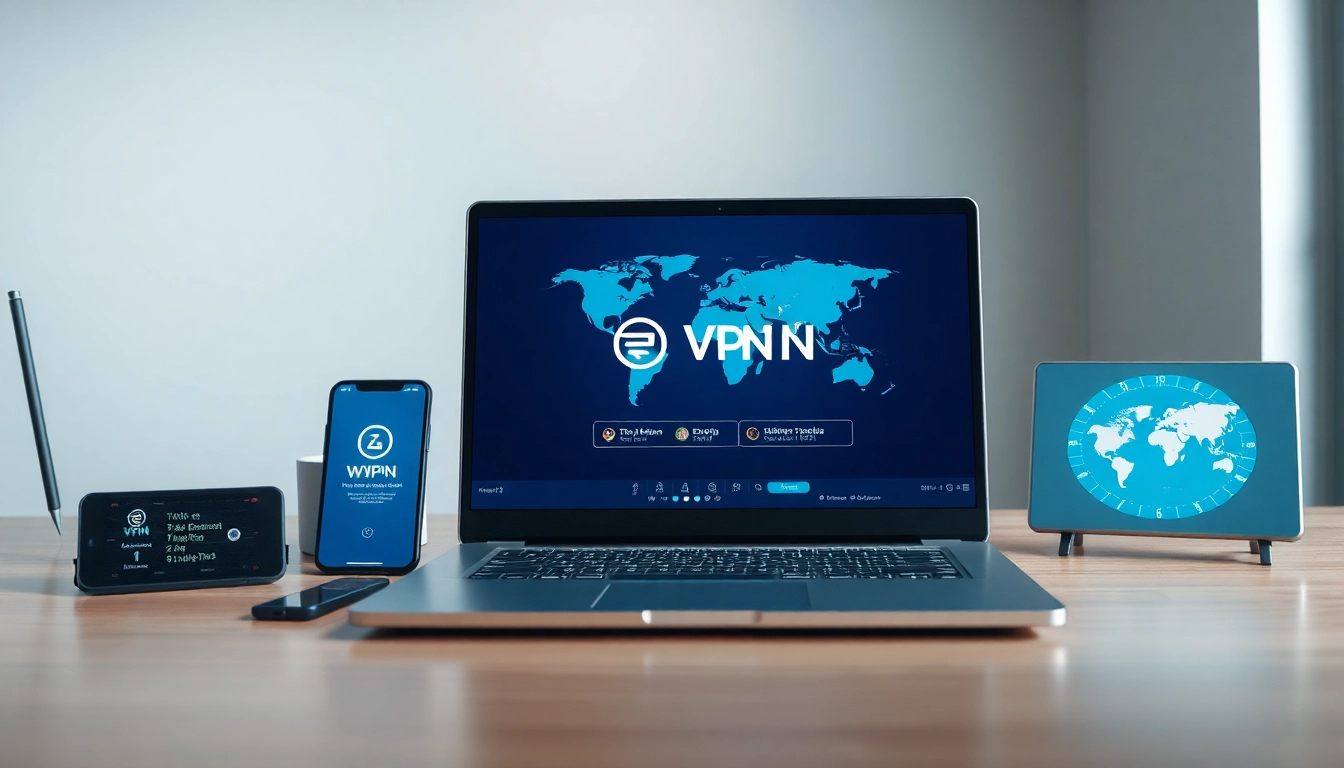
在专业工作区的现代设备上显示的快连下载界面。

理解快连下载:它为何与众不同?

在当今数字时代,安全和隐私成为了网络用户的首要关注点。快连VPN通过高效的加密技术,确保用户在上网时的安全性和匿名性。无论是出于工作需要,还是个人娱乐,快连VPN都提供了一个令人满意的解决方案。快连下载不仅易于使用,还具备多种功能,可以满足不同用户的需求。

快连VPN 特性概览

快连VPN以其独特的特性在众多VPN服务中脱颖而出。首先,它采用先进的AES-256位加密标准,确保用户数据的安全性。此外,快连VPN拥有超过100个全球节点,用户可以随时选择最佳的连接位置,获得快速、稳定的网络体验。

  • 一键连接:用户只需轻松点击,即可迅速连接到所需的服务器,无需复杂设置。
  • 多平台支持:快连VPN支持Windows、Mac、iOS和Android等主流操作系统,满足各种设备的使用需求。
  • 全球节点覆盖:覆盖50多个国家和地区,确保用户能够顺利访问全球网络。

用户体验与界面设计

快连VPN的用户界面设计简洁直观,用户可以轻松找到所需的功能。根据用户反馈,很多人表示界面非常友好,让新手用户也能快速上手。应用内的帮助文档和客服支持也为用户提供了极大便利。

全球服务器覆盖与性能

快连VPN的全球服务器覆盖使其在连接速度和稳定性方面表现突出。用户在实际使用中反馈,连接到国外服务器后的速度几乎没有延迟,浏览高清视频或下载文件时,体验非常流畅。无论是观看Netflix还是访问国外的社交媒体,快连VPN都能提供可靠的解决方案。

使用快连VPN的主要好处

增强的安全特性与加密

快连VPN不仅仅是一个普通的代理工具,它在安全性方面具有全面的保护措施。使用AES-256位加密技术,确保用户在网络环境中数据的安全。同时,它还提供DNS泄露保护,防止用户的真实IP地址被暴露。

跨平台兼容性解析

现代用户往往使用多种设备,因此快速稳定的跨平台兼容性尤为重要。快连VPN支持多种操作系统,确保用户无论在何时何地都能保持安全连接。这一点在全球化日益加深的今天显得尤为重要。

来自用户的实际用例

用户的真实体验是评估VPN服务质量的重要依据。例如,一位软件工程师表示:“使用快连VPN已经半年,连接速度非常快,稳定性也很好,让我顺利访问国外技术网站。”另一位市场营销专员则提到:“我主要用来看Netflix和YouTube,使用快连VPN后视频加载速度快,从未出现卡顿。”

关于快连下载的常见问题

快连VPN 可以在中国使用吗?

快连VPN设计上是为中国用户突破防火墙而优化的,通常情况下它能在中国大陆工作,帮助用户访问被封锁的网站和应用。由于其特殊的技术,快连VPN能够顺利连接到国际网络,从而满足用户的需求。

连接问题出现时该怎么做?

用户在使用快连VPN时,如果遇到连接问题,可以尝试以下解决方案:首先,检查网络设置,确保本地网络正常。其次,尝试更换服务器节点,很多时候连接速度会因服务器负载不同而有所波动。如果问题依旧,建议联系24小时在线客服,获取实时支持。

快连VPN 是否支持多设备?

快连VPN支持在多台设备上同时连接,用户可以在手机、平板和电脑上同时使用。这一特性特别适合家庭用户或者经常使用多种设备的专业人员,确保每个设备都能享有安全的网络连接。

开始使用快连VPN

逐步下载与安装流程

要开始使用快连VPN,用户只需访问官方网站,选择适合自己设备的版本进行下载。安装过程简单,用户只需按照提示进行操作,即可完成设置。在安装完成后,打开应用程序,选择一个节点,点击连接即可开始安全上网。

为最佳使用设定配置

为了确保快连VPN的最佳性能,建议用户在应用设置中选择“自动连接”功能。这将确保每当设备启动时,VPN都会自动连接,从而保护用户的隐私。另外,用户还可以根据个人需求选择不同的加密等级,以获得更好的速度或安全性能。

使用VPN服务的最佳实践

为了最大化快连VPN的使用效果,用户应遵循以下最佳实践:定期更新软件版本,以确保获取最新的安全功能;避免在公共Wi-Fi下进行敏感操作;使用强密码并定期更换,保障账户安全。

快连VPN 与 VPN 技术的未来

2026 年值得关注的趋势与创新

随着网络环境的不断变化,VPN技术也在不断发展。预计到2026年,AI技术将更多地应用于VPN服务,以优化连接的速度和稳定性。同时,用户对隐私保护的需求将进一步推动VPN技术的革新。

快连VPN 如何适应变化的互联网政策

面对日益严格的互联网监管政策,快连VPN将不断调整自身技术,以适应不同国家和地区的政策变化。这种灵活性不仅保障了用户的上网自由,也确保了服务的持续稳定。

预期的用户需求与解决方案

未来用户对VPN服务的需求将更加多样化,包括快速的连接速度、便捷的使用体验和严格的隐私保护措施。快连VPN将通过持续技术创新与优质客户服务,满足用户不断变化的需求,确保在竞争激烈的市场中脱颖而出。