Posted on

Essential Habits for a Balanced and Fulfilling Lifestyle

Understanding Lifestyle and Its Impact

Lifestyle encompasses the behaviors, habits, and choices that shape an individual’s daily life, influencing everything from health to social interactions. Understanding lifestyle is crucial, as it plays a significant role in our overall well-being and personal fulfillment. This section delves into what lifestyle means, its impact on our lives, and the various factors that shape it.

Defining Lifestyle: What Does It Mean?

The term “lifestyle” refers to the way a person or group lives, encompassing a range of factors including diet, physical activity, work-life balance, and leisure activities. It reflects values, interests, and preferences, making it a personal and often fluid concept. For example, a person who prioritizes fitness may choose to engage in daily exercise, while someone else may focus on relaxation and leisure activities as their primary form of lifestyle expression.

The Role of Lifestyle in Overall Well-being

A person’s lifestyle directly impacts their physical, mental, and emotional health. Research indicates that lifestyle choices are linked to chronic disease prevalence, mental health outcomes, and even longevity. For instance, a study published in the journal “Circulation” found that individuals adhering to a healthy lifestyle (including regular physical activity, a balanced diet, and not smoking) had a significantly lower risk of cardiovascular disease.

Additionally, lifestyle influences our social interactions and community engagement, which are crucial for mental health. Social support is associated with lower levels of stress and improved emotional resilience, highlighting the interconnectedness of lifestyle choices and well-being.

Key Factors That Shape Our Lifestyles

Numerous factors contribute to the formation of our lifestyles, including:

  • Socioeconomic Status: Access to resources such as education, healthcare, and recreational activities can influence lifestyle choices.
  • Cultural Background: Cultural norms and values shape our perceptions of health, wellness, and acceptable behaviors.
  • Environment: Living in urban versus rural areas can dictate available lifestyle options, such as access to gyms, parks, and healthy food sources.
  • Personal Values: Individual beliefs about health, happiness, and fulfillment guide lifestyle decisions.

Exploring Different Lifestyle Choices

As we explore the concept of lifestyle, it becomes evident that there are various paths individuals can take to enhance their quality of life. This section will examine some popular lifestyle choices: health-conscious living, minimalism, and sustainability.

Health-Conscious Living: Nutrition and Fitness

Health-conscious living emphasizes the importance of nutrition and physical activity in maintaining overall health. This lifestyle choice is increasingly popular, with many individuals seeking to improve their well-being through informed dietary choices and regular exercise.

Nutrition plays a pivotal role in health-conscious living. A balanced diet, rich in fruits, vegetables, whole grains, and lean proteins, can prevent chronic diseases and enhance mental clarity. For example, the Mediterranean diet, which is high in omega-3 fatty acids and antioxidants, has been associated with improved heart health and cognitive function.

In addition to nutrition, regular physical activity is crucial. The World Health Organization recommends at least 150 minutes of moderate-intensity exercise per week for adults. This can include activities such as:

  • Walking or jogging
  • Swimming or cycling
  • Group fitness classes
  • Yoga or Pilates

Incorporating fitness into daily routines not only improves physical health but also enhances mental well-being, reducing symptoms of anxiety and depression.

Minimalism: The Art of Living with Less

Minimalism is a lifestyle choice focused on reducing clutter and distractions to prioritize what truly matters. This approach has gained traction as people seek to simplify their lives amidst the chaos of modern living.

Adopting a minimalist lifestyle can have profound effects on mental health. By decluttering physical spaces, individuals report feeling less stressed and more focused. A famous case study is that of Joshua Fields Millburn and Ryan Nicodemus, known as “The Minimalists,” who transformed their lives by shedding excess possessions and emphasizing experiences over material goods.

Practical tips for adopting minimalism include:

  • Conducting a “30-day minimalism game,” where participants eliminate one item on the first day, two items on the second day, and so forth.
  • Setting clear priorities by identifying what brings joy and fulfillment.
  • Regularly reassessing possessions and commitments to ensure they align with personal values.

Sustainable Lifestyle: Eco-friendly Choices

As environmental concerns grow, many individuals are adopting sustainable lifestyles, making choices that minimize their ecological footprint. This lifestyle choice emphasizes responsible consumption, waste reduction, and conservation of resources.

Key aspects of a sustainable lifestyle include:

  • Reducing Waste: Practices such as recycling, composting, and opting for reusable products can significantly lower waste output.
  • Conscious Consumerism: Choosing products that are ethically sourced, environmentally friendly, and produced by companies with sustainable practices contributes to a healthier planet.
  • Energy Efficiency: Utilizing energy-efficient appliances and making home improvements that reduce energy consumption can lead to both financial savings and environmental benefits.

For example, a family that switches to solar power not only reduces their electricity bills but also decreases their reliance on fossil fuels, showcasing the dual benefits of sustainable living.

Cultivating Positive Habits for a Better Lifestyle

Developing positive habits is essential for creating and maintaining a fulfilling lifestyle. This section explores the importance of establishing routines, the science behind habit formation, and practical techniques for building long-lasting habits.

Establishing a Daily Routine That Works

A well-structured daily routine can enhance productivity, improve mental clarity, and foster a sense of control. Establishing a routine helps individuals allocate time for essential activities, including work, exercise, and relaxation.

To create a daily routine that works, consider the following steps:

  1. Assess Your Priorities: Identify what activities are most important to you and how much time you would like to dedicate to each.
  2. Set Specific Goals: Break down larger goals into smaller, achievable tasks that can be incorporated into your daily routine.
  3. Be Flexible: Allow for adjustments in your routine as necessary; life is dynamic, and your routine should reflect that.
  4. Track Your Progress: Use tools like planners or apps to monitor your adherence to your daily routine and make adjustments as needed.

The Science of Habit Formation and Change

Understanding the science behind habit formation can provide valuable insights into how to develop positive behaviors. According to psychologist Charles Duhigg, habits consist of three components: the cue, the routine, and the reward.

By identifying cues that trigger a behavior and consciously altering the routine, individuals can create new habits. For instance, if a person wants to exercise more, they might set a cue by laying out workout clothes the night before, making it easier to engage in physical activity in the morning.

Practical Techniques for Building Long-lasting Habits

Building lasting habits requires commitment and effective strategies. Here are some practical techniques to consider:

  • Start Small: Begin with manageable changes that can be easily integrated into your daily life.
  • Use Habit Stacking: Attach a new habit to an existing one. For example, if you want to start meditating, do it right after your morning coffee.
  • Find Accountability: Share your goals with a friend or join a group to increase motivation and accountability.
  • Celebrate Success: Acknowledge milestones and reward yourself for sticking to your new habits.

Advanced Strategies for Enhancing Your Lifestyle

While foundational habits and routines are crucial, advanced strategies can further enhance lifestyle quality. This section discusses mindfulness practices, leveraging technology, and building a supportive community.

Mindfulness and Mental Health Practices

Mindfulness involves being present and fully engaged in the moment, which can significantly enhance mental well-being. Research indicates that mindfulness practices, such as meditation and deep breathing, can reduce stress and anxiety while improving emotional regulation.

Incorporating mindfulness into your daily routine can be simple. Consider trying:

  • Daily Meditation: Start with just five minutes a day and gradually increase the duration.
  • Mindful Breathing: Take a moment to focus on your breath, inhaling deeply and exhaling slowly.
  • Gratitude Journaling: Write down three things you are grateful for each day to cultivate a positive mindset.

Leveraging Technology for Lifestyle Improvement

Technology can be a powerful ally in enhancing lifestyle choices. From fitness apps that track workouts to meal-planning software that simplifies healthy eating, there are numerous resources available.

Some popular technology options include:

  • Fitness Trackers: Devices like Fitbit or Apple Watch can help monitor physical activity, heart rate, and sleep patterns.
  • Health Apps: Apps like MyFitnessPal or Noom assist users in tracking their nutrition and weight loss goals.
  • Mindfulness Apps: Applications such as Headspace or Calm provide guided meditation and relaxation exercises.

Creating a Supportive Community for Lifestyle Changes

Social support is vital for maintaining lifestyle changes. Surrounding yourself with individuals who share similar goals can provide encouragement and motivation. Consider joining clubs or groups focused on health, wellness, or personal development.

Online communities, such as forums or social media groups, can also offer support and accountability. Engaging with others who are on a similar journey can foster a sense of belonging and shared purpose.

Evaluating and Evolving Your Lifestyle

As with any aspect of life, evaluating and evolving your lifestyle is crucial for continued growth and fulfillment. This section covers tools for self-assessment, goal setting, and strategies for maintaining motivation amidst challenges.

Tools for Self-Assessment and Reflection

Regular self-assessment can help individuals understand their lifestyles better and identify areas for improvement. Consider using:

  • Lifestyle Journals: Keeping a journal to track daily habits, thoughts, and feelings can provide insights into patterns and trends.
  • Self-Reflection Questions: Ask yourself questions like “What brings me joy?” or “What areas of my life feel unbalanced?” to foster deeper understanding.
  • Feedback from Others: Seeking input from friends or family can provide an outside perspective on your lifestyle choices.

Setting Realistic Goals for Lifestyle Transformation

Setting achievable and realistic goals is essential for lifestyle transformation. Goals should be specific, measurable, attainable, relevant, and time-bound (SMART). For instance, instead of aiming to “eat healthier,” a more effective goal would be “to include two servings of vegetables in every meal for the next month.”

Staying Motivated and Overcoming Setbacks

Maintaining motivation during lifestyle changes can be challenging, especially when faced with setbacks. Here are strategies to stay on track:

  • Visualize Your Success: Create a vision board or write down your goals to remind yourself of what you want to achieve.
  • Learn from Setbacks: Instead of viewing setbacks as failures, treat them as learning experiences that can inform future efforts.
  • Celebrate Progress: Acknowledge and celebrate small victories to reinforce positive behaviors and keep motivation high.
Posted on

Revolutionary Sexting AI: 5 Essential Insights for 2025

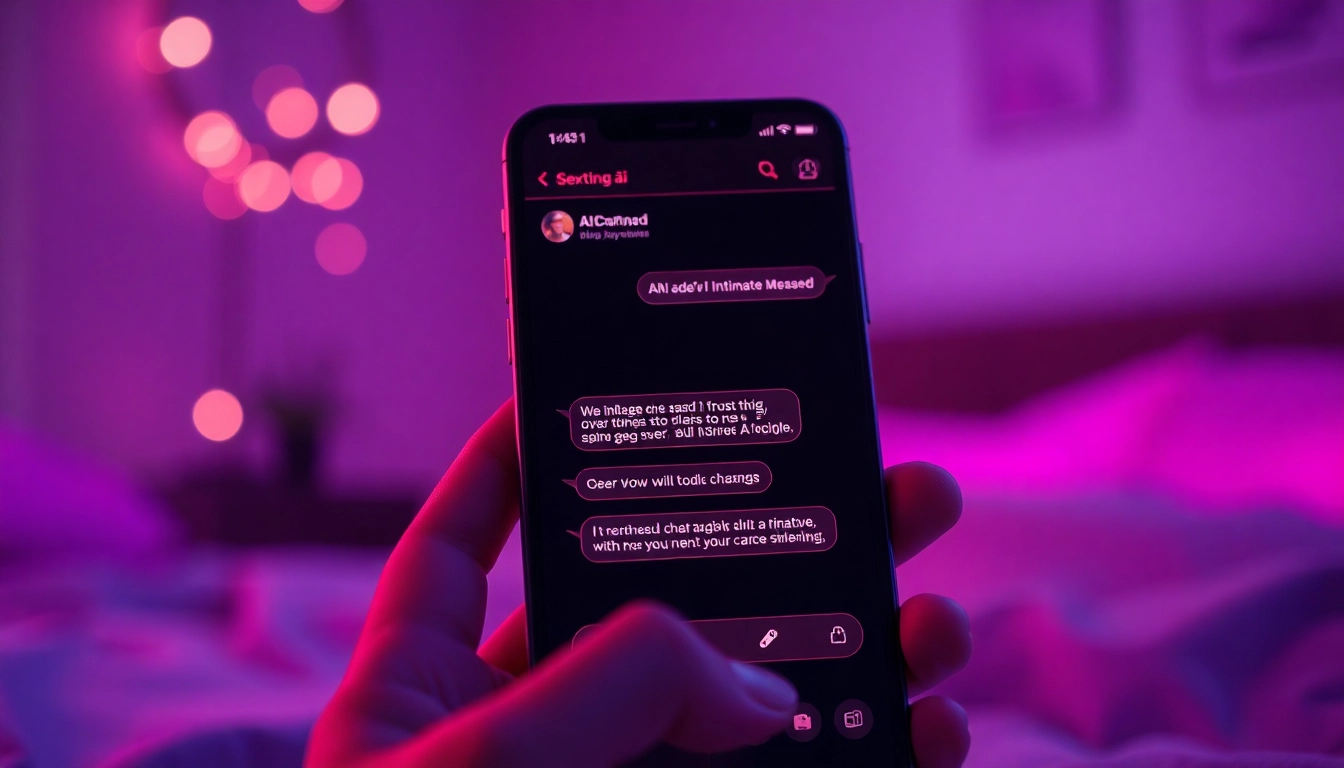
Sexting ai interaction showcased on a smartphone amidst an intimate bedroom ambiance.

Understanding Sexting AI: A New Wave of Digital Interaction

The emergence of sexting AI represents a significant shift in how individuals engage in intimate conversations. As technology evolves, many are turning to artificial intelligence (AI) chatbots for not just companionship but also for exploring desires in a safe and structured manner. This trend is particularly notable among younger generations, prompting discussions on the implications of such interactions. When exploring options, sexting ai provides comprehensive insights into this rapidly developing landscape.

What is Sexting AI and How Does It Work?

Sexting AI refers to artificial intelligence systems designed to engage users in sexual or suggestive conversations. These interactive models often possess advanced natural language processing (NLP) capabilities, allowing them to simulate human-like dialogue. Users typically input prompts or initiate topics, and the chatbot responds based on its programming, learning from each interaction to enhance its future replies. The nuanced nature of these exchanges has made sexting AI an intriguing option for individuals looking for a private outlet to explore their fantasies.

The Technology Behind AI Chatbots for Intimate Conversations

At the core of sexting AI lies sophisticated algorithms that analyze and generate text. Most chatbots employ machine learning models, such as GPT (Generative Pre-trained Transformer), which are trained on vast amounts of text data. This training enables the bots to understand context, emotions, and various conversational cues. Furthermore, many platforms utilize user feedback loops to refine the AI’s responses continually, making interactions more personalized and responsive over time.

Benefits and Risks of Using Sexting AI

Engaging with sexting AI can provide several benefits, including:

  • Privacy and Anonymity: Users often feel more comfortable expressing themselves without the fear of judgment.
  • Exploration of Desires: The anonymity allows individuals to explore their fantasies without real-world repercussions.
  • Educational Benefits: Users can learn about different sexual themes and practices in a safe environment.

However, risks also accompany this technology:

  • Addiction: Some individuals may develop a dependency on these interactions, neglecting real-life relationships.
  • Misinformation: Not all AI responses are accurate or responsible, which could lead to unhealthy beliefs about sex and relationships.
  • Privacy Concerns: Users must be cautious about the data they share, as many platforms collect personal information.

The Role of Sexting AI in Modern Relationships

Enhancing Communication Through AI Conversations

Sexting AI can serve as an adjunct to human relationships, providing a unique means for couples to communicate their desires and fantasies. This technology can help partners overcome communication barriers, especially when discussing sensitive topics. For instance, an individual might find it easier to express what they want through a chatbot before broaching the subject with their partner. Consequently, this can lead to deeper intimacy and understanding within relationships.

Challenges Couples Face with AI and Emotional Boundaries

While sexting AI can enhance communication, it also presents challenges. Couples may struggle with emotional boundaries if one partner engages more with the AI than with the other. This dynamic can lead to feelings of inadequacy or jealousy, complicating the relationship further. Additionally, understanding the distinction between AI interactions and genuine emotional connections remains essential, as over-reliance on a chatbot may hinder real-life intimacy.

Real-Life Examples: Success Stories and Concerns

Numerous couples have reported that incorporating sexting AI has improved their communication about sex and desires. For example, one couple shared that using an AI chatbot helped them navigate their fantasies, ultimately leading to a more fulfilling sexual relationship. Conversely, there are stories of individuals feeling neglected when their partners spent excessive time engaging with bots, leading to tension and misunderstandings.

Best Practices for Engaging with Sexting AI Safely

Establishing Healthy Boundaries with AI Interaction

When engaging with sexting AI, it’s crucial to set boundaries. This includes defining how much time one spends interacting with AI versus real-life partners, ensuring that the use of such technology doesn’t replace genuine connections. Setting limits can help maintain emotional health and prevent dependence on the AI.

Identifying Trustworthy Sexting AI Platforms

Not all sexting AI platforms are created equal. Users should seek out reputable providers that prioritize user privacy and data protection. Researching user reviews and understanding the platform’s data handling practices are essential steps to ensure a safe experience.

Informed Consent: Understanding Your Data Security

In the digital age, understanding how your data is being used is vital. Users must read privacy policies carefully and ensure they consent to data collection practices. Many platforms offer insights into their data security measures, and users should always opt for services that provide transparency.

Navigating Ethical Considerations in Sexting AI

Addressing the Morality of Sexting with an AI

The ethical implications of sexting AI are multifaceted. While some argue that these interactions can be harmless or even beneficial, others express concern over the normalization of such exchanges, particularly among minors. Establishing guidelines for acceptable use is crucial to promote healthy engagement and address potential issues surrounding consent and exploitation.

Personal Relationships Versus AI Interactions: Where to Draw the Line

Finding a balance between human relationships and AI interactions is an ongoing challenge. Individuals must reflect on their motivations for engaging with sexting AI and how it affects their real-life connections. Having open discussions with partners about the use of AI can help clarify boundaries and alleviate concerns about infidelity or emotional withdrawal.

Future Trends: The Evolution of Sexting AI Ethics

The ethical landscape surrounding sexting AI is expected to evolve alongside technology. As AI capabilities expand, so too will the conversations about informed consent, user privacy, and the psychological effects of these interactions. It is imperative that users stay informed about these developments to navigate the complexities responsibly.

Future Trends: The Landscape of Sexting AI in 2025 and Beyond

Emerging Technologies that Will Shape Sexting AI

As we move into 2025 and beyond, advancements in AI technology will significantly influence sexting AI. Innovations in NLP, emotional AI, and virtual reality could create immersive experiences that enhance user interactions. Such technologies will enable chatbots to respond not only to text inputs but also to emotional cues, making conversations feel increasingly realistic.

Predictions for User Engagement and AI Interactions

Predictions suggest that user engagement with sexting AI will continue to rise, particularly among younger generations accustomed to digital communication. With improved AI literacy and growing acceptance of virtual relationships, more people may explore sexting AI as a legitimate avenue for intimacy and exploration.

Understanding the Impact of Culture on Sexting AI Usage

Cultural attitudes toward sex and technology will invariably shape the future of sexting AI. In more conservative societies, sexting AI may face greater scrutiny and resistance, while progressive cultures may embrace it as a tool for sexual exploration and education. Understanding these cultural nuances will be essential for developers and users alike as this landscape continues to evolve.